
Hyperlocal Engineering Guide to Jeddah & Makkah Districts: How Soil Geology, Groundwater & Climate Shape Your Building’s Leak & Waterproofing Needs
A coastal villa in North Obhur faces completely different geotechnical and hydraulic forces than a duplex in Al Hamdaniyah or a mountainside building in Makkah’s Al Awali. This reference maps 42 districts across Jeddah and Makkah to their specific diagnostic and waterproofing requirements.
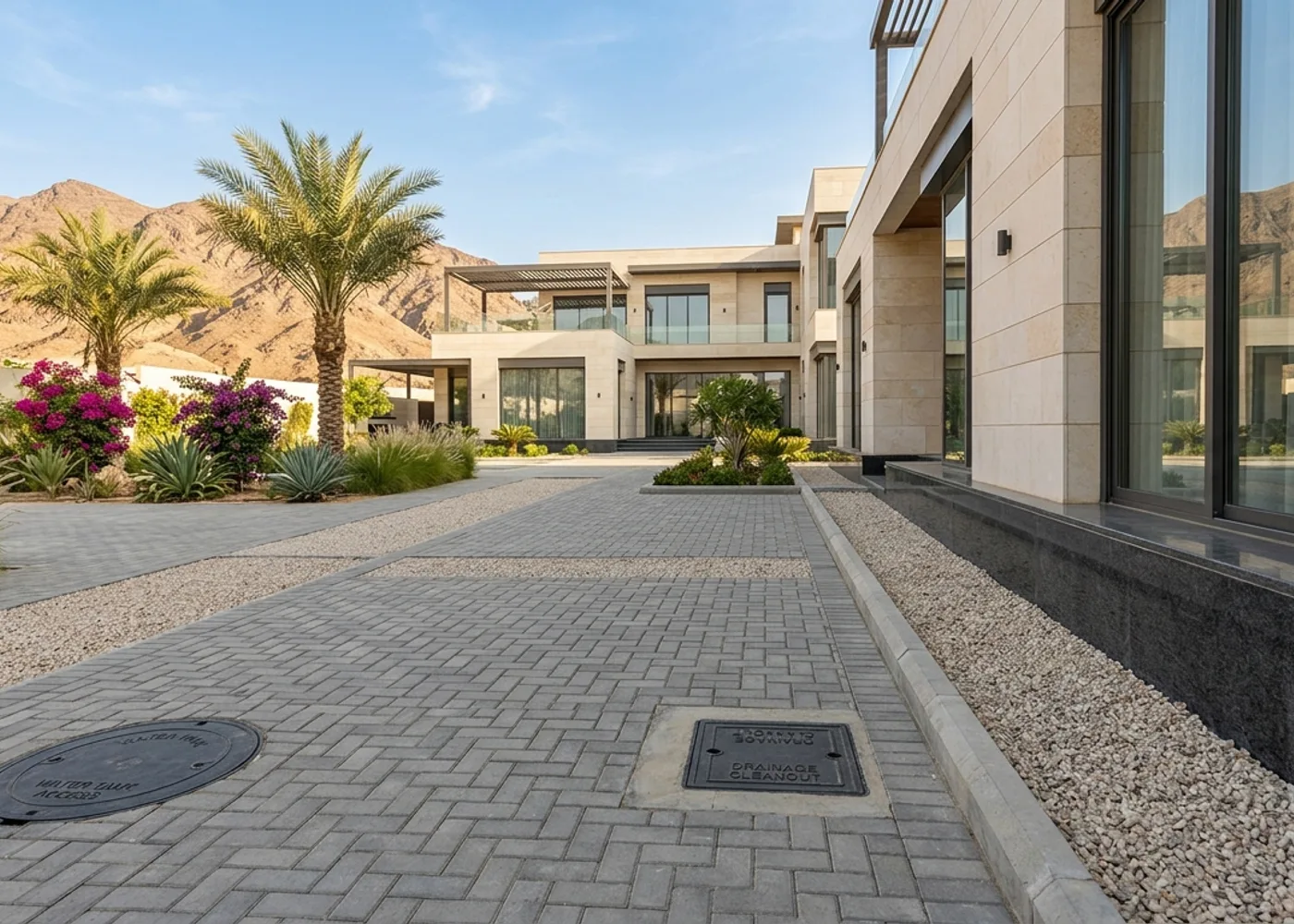
Geographic Coverage Transparency Statement: Bashaer Al Khair serves all listed Jeddah and Makkah districts via equipped mobile diagnostic and waterproofing engineering crews dispatched on confirmed daily schedules, without claiming separate physical storefront offices inside individual residential neighborhoods.
Executive Engineering Summary
Rather than publishing thin, repetitive doorway pages that merely swap neighborhood names, Bashaer Al Khair has compiled real geotechnical and field-engineering intelligence across 22 core Jeddah districts and 20 core Makkah districts into one authoritative reference. Our goal is to help property owners understand the specific hydrological and structural forces acting on their neighborhood.
Along Jeddah’s Red Sea coast (Obhur, Al Shati, Al Murjan, Al Hamra, Al Khumrah), negative hydrostatic pressure from saline groundwater is the primary threat to underground tanks and basements. In expansion subdivisions (Al Hamdaniyah, Taibah, Wali Al Ahd, Al Rashidiyah), differential backfill settlement stresses courtyard piping and tank necks. Across Makkah, extreme summer thermal cycling and high-head booster pump pressure dominate building maintenance priorities.
Geotechnical & Environmental Profile: Jeddah vs. Makkah Zones
How local geology and climate dictate diagnostic and waterproofing specs
Coastal Sabkha Belt (Jeddah)
High saline water table -> negative/positive tank & basement sealing
Central, North & East Jeddah
Villas, apartments & backfill -> wet-area, courtyard & roof systems
Rocky Mountain Terrain (Makkah)
Hard rock cuts & high-head pumps -> rock-cut tank & riser diagnostics
Extreme Summer Heat & Wadi Rain
46°C+ heat & flash downpours -> dual spray foam & thermal roof systems
Illustrative engineering diagram only — final technical diagnosis and remediation scope are determined following on-site property inspection.
Engineering Coverage, Soil & Building Matrix in Jeddah
Coastal environment with high relative humidity (65%–85%), elevated saline groundwater table (coastal Sabkha) along the western corridor and Obhur, and alluvial/clay soils in eastern districts, amplifying negative hydrostatic pressure on underground tanks, basements, and reinforcement steel corrosion.
Soil & Water Table: Coastal sandy Sabkha soil saturated with highly saline, sulfate-rich groundwater at 1.2m to 2.5m depth
- •Negative hydrostatic pressure on underground tanks, swimming pools, and basements
- •Capillary rising damp, salt efflorescence, and lower-wall paint peeling
- •Corrosion of buried supply lines and rebar oxidation in water tank necks
Soil & Water Table: Mixed coastal calcareous sandy soil with pockets of elevated surface water table
- •Concrete swimming pool shell, skimmer throat, and return line leaks
- •Courtyard irrigation and external pipe leaks driving sudden high water bills
- •Thermal expansion stress on wide flat villa roofs and tiled roof decks
Soil & Water Table: Relatively stable sandy-silty soil with dense urban water and drainage infrastructure
- •Inter-floor bathroom and kitchen leaks in residential buildings and villas
- •Degraded tile grout joints and aging roof waterproofing membranes
- •Float valve malfunctions and shared underground water tank leaks
Soil & Water Table: Humid coastal soil near the Red Sea with established structures requiring restorative maintenance
- •Cracking of aged bituminous rolls and rainwater ponding on roofs
- •Concealed internal supply pipe leaks behind walls and under tiles
- •Deterioration of internal cementitious render inside underground tanks
Soil & Water Table: Clay/alluvial soil along historical wadi beds and engineered backfill in newer subdivisions
- •Differential soil settlement stressing courtyard pipes and tank necks
- •Construction joint cracks in newly built underground concrete tanks
- •High demand for dual thermal and waterproofing spray foam systems on roofs
Soil & Water Table: Saline coastal clay-sandy Sabkha soil
- •Underground tank water loss and saline groundwater infiltration
- •Metal deck (Shinko) and concrete roof waterproofing
- •Ground-beam and foundation dampness in ground floors
North Obhur District
JeddahBuilding Profile: Modern coastal villas and compounds featuring swimming pools and underground tanks near sea level
Soil & Environment: Very high, saline groundwater table (coastal Sabkha)
- Underground tank level drop or salinity spikes from negative pressure
- Lower-wall rising damp and paint peeling on ground floors
- Swimming pool shell and skimmer pipe leaks
South Obhur District
JeddahBuilding Profile: Private coastal villas and residences with wide courtyards, pools, and basements
Soil & Environment: Moisture- and salt-saturated coastal sandy soil
- Concrete pool shell and ceramic joint leaks
- Buried courtyard supply pipe leaks
- Groundwater seepage into basements and underground tanks
Al Murjan District
JeddahBuilding Profile: Upscale villas with expansive roofs, swimming pools, and landscaped courtyards
Soil & Environment: Direct marine environment with high humidity and salinity
- Rainwater seepage through tiled roofs and annexes
- High water bills from irrigation networks and float valves
- Degradation of pool and tank waterproofing
Al Basateen District
JeddahBuilding Profile: Modern standalone residential villas and duplexes
Soil & Environment: Calcareous sandy soil with pockets of shallow groundwater
- Concealed under-tile bathroom leaks
- Residential pool water level drop
- Demand for combined thermal and waterproofing roof insulation
Al Mohammadiyah District
JeddahBuilding Profile: Established and modern residential villas with courtyards and large underground tanks
Soil & Environment: Medium-salinity coastal sandy soil
- Courtyard pipe and main meter-to-tank line leaks
- Cracking of aged roof waterproofing
- Bathroom ceiling leaks into lower floors
Al Shati District
JeddahBuilding Profile: Coastal villas and residential/commercial buildings near the Corniche
Soil & Environment: High-salinity coastal Sabkha soil
- Groundwater seepage into underground tanks and basements
- Lower-wall dampness and plaster salt efflorescence
- Roof waterproofing against coastal humidity and rain
Al Naeem District
JeddahBuilding Profile: Modern and mid-age residential villas and apartment buildings
Soil & Environment: Urban sandy-silty soil
- Sudden high water bills
- Bathroom and kitchen plumbing leaks
- Epoxy or cementitious underground tank waterproofing
Al Nahdah District
JeddahBuilding Profile: Residential villas and ownership apartments
Soil & Environment: Compact urban sandy soil
- Inter-apartment bathroom ceiling water leaks
- In-wall pipe leaks
- Tiled roof waterproofing
Al Zahra District
JeddahBuilding Profile: Upscale residential villas and commercial-residential buildings
Soil & Environment: Inland coastal soil with moderate moisture
- Swimming pool and underground tank leaks
- Non-destructive leak detection under porcelain and marble
- Roof waterproofing repair and restoration
Al Salamah District
JeddahBuilding Profile: High-density apartment buildings and mid-age villas
Soil & Environment: Urban soil with mixed legacy and modern plumbing networks
- Aging bathroom supply pipes and floor drains
- High water bills in multi-unit buildings
- Cracked underground tank waterproofing
Al Rawdah District
JeddahBuilding Profile: Established residential villas and commercial buildings
Soil & Environment: Coastal sandy soil near shallow groundwater
- Lower-wall dampness and peeling paint
- Concealed kitchen and bathroom leaks
- Restoration of roof waterproofing and bituminous membranes
Al Khalidiyah District
JeddahBuilding Profile: Palaces, villas, and residential compounds in West Jeddah
Soil & Environment: Humid, high-salinity coastal soil
- Large pool and underground tank leaks
- Basement and foundation dampness
- External supply line leaks
Al Hamra District
JeddahBuilding Profile: Established residential, hospitality, and villa structures near the sea
Soil & Environment: Humid marine environment with high groundwater table
- Underground tank concrete spalling and rebar corrosion
- Rainwater ingress through older roofs
- Buried pipe leaks
Al Faisaliyah District
JeddahBuilding Profile: Mid-age apartment buildings and villas
Soil & Environment: Central Jeddah urban soil
- Inter-floor bathroom leaks
- High water bills caused by underground tanks
- Roof waterproofing and thermal insulation
Al Safa District
JeddahBuilding Profile: High density of apartment buildings and residential units
Soil & Environment: Densely occupied urban sandy-silty soil
- Bathroom ceiling water leaks into lower apartments
- High shared water bills
- Underground tank cracks in apartment buildings
Al Marwah District
JeddahBuilding Profile: Modern apartment buildings and duplex villas
Soil & Environment: Mixed sandy-rocky and silty soil
- Tank neck and float valve leaks
- Bathroom and kitchen leaks
- Polyurethane spray foam roof insulation
Al Harazat District
JeddahBuilding Profile: Villas, rest houses (Istirahat), and residential buildings with large ground tanks
Soil & Environment: Alluvial wadi and rocky terrain with varying elevations
- Underground tank cracks from soil movement
- Pool leaks in rest houses and villas
- Concrete and metal (Shinko) roof insulation
Al Samer District
JeddahBuilding Profile: Apartment buildings and villas east of the highway
Soil & Environment: Alluvial silty soil retaining moisture after rainy seasons
- Rainwater seepage through roofs
- Ground-floor and tank dampness
- Supply pipe leaks
Al Hamdaniyah District
JeddahBuilding Profile: Duplex villas and newly constructed residential projects
Soil & Environment: Engineered backfill and clay soil prone to differential settlement
- Courtyard pipe and tank neck fractures due to slab settlement
- Primary waterproofing defects in new bathrooms and roofs
- High water bills shortly after occupancy
Taibah District
JeddahBuilding Profile: Newly built or under-construction villas and residential buildings in North-East Jeddah
Soil & Environment: Sandy-rocky desert soil with recent construction backfill
- Foundational underground tank and basement waterproofing for new builds
- Thermal and waterproofing spray foam for roofs
- Plumbing network pressure testing before and after occupancy
Al Sanabel District
JeddahBuilding Profile: Residential villas and modern apartment buildings in South Jeddah
Soil & Environment: Sandy-clay soil near the southern coastal belt
- Underground tank leaks and high water bills
- Ground-floor lower-wall dampness
- Tiled and concrete roof waterproofing
Al Khumrah District
JeddahBuilding Profile: Residential structures, warehouses, and metal-roof (Shinko) facilities in South Jeddah
Soil & Environment: High-salinity coastal Sabkha soil
- Polyurethane spray foam insulation for Shinko metal roofs
- Protecting tanks and foundations from saline dampness
- External supply line leaks
Field Dispatch Note: Mobile diagnostic and waterproofing engineering crews operate daily across all verified Jeddah and Makkah districts listed above via scheduled appointments.
Read Full Jeddah & Makkah Soil & Building Engineering GuideDetailed Technical Systems & Verification Criteria
Coastal Sabkha Soil Impact on Jeddah Tanks & Foundations
#1Engineering Mechanism: Coastal groundwater carries high chloride and sulfate concentrations that attack standard Portland cement and infiltrate unsealed cold joints under negative hydrostatic pressure.
Key Indicators & Clues: Brackish underground tank water and white salt efflorescence along ground-floor walls and basements.
Verification Method: TDS salinity profiling, moisture gradient scanning, and crystalline/epoxy waterproofing.
Engineered Backfill & Differential Settlement in Expansion Districts
#2Engineering Mechanism: When courtyard backfill settles by 1–3 cm relative to rigid concrete foundations and tanks, buried PVC/PPR pipes shear right at wall and tank entry points.
Key Indicators & Clues: Sudden high water bills accompanied by a visible gap beneath courtyard skirting tiles.
Verification Method: Isolating and pressure-testing the meter-to-tank line and pinpointing breaks acoustically.
Rocky Terrain & Extreme Thermal Cycling Across Makkah Districts
#3Engineering Mechanism: Impermeable rock strata trap leaked water around tank perimeters and foundations, while extreme summer heat cracks roof tile joints and degrades unshielded membranes.
Key Indicators & Clues: Severe top-floor summer heat gain, post-rain ceiling seepage, or underground tank water loss.
Verification Method: Comprehensive roof and tank inspection paired with spray foam or structural tank waterproofing.
Geotechnical & Building Typology Classification Across Jeddah (22 Districts)
1. North & West Coastal Belt (North Obhur, South Obhur, Al Murjan, Al Shati, Al Hamra, Al Khalidiyah): Defined by a shallow, highly saline water table (coastal Sabkha) and humid marine air. Buildings here require negative/positive underground tank waterproofing, regular swimming pool diagnostics, and foundation damp-proofing.
2. North Villas & Central Residential Corridor (Al Basateen, Al Mohammadiyah, Al Naeem, Al Nahdah, Al Zahra, Al Salamah, Al Rawdah, Al Faisaliyah, Al Safa, Al Marwah): Dominated by private villas and ownership apartment buildings where non-destructive bathroom/kitchen leak detection, high water bill investigations, and over-tile roof waterproofing are primary needs.
3. East, North-East & South Expansion Belt (Al Hamdaniyah, Taibah, Al Samer, Al Harazat, Al Sanabel, Al Khumrah): Combines rapid residential development (where courtyard settlement pipe checks and new tank/roof waterproofing are critical) with commercial/Shinko structures requiring polyurethane spray foam.
- North/South Obhur, Al Murjan, Al Shati, Al Basateen, Al Mohammadiyah
- Al Naeem, Al Nahdah, Al Zahra, Al Salamah, Al Rawdah, Al Khalidiyah, Al Hamra, Al Faisaliyah
- Al Safa, Al Marwah, Al Harazat, Al Samer, Al Hamdaniyah, Taibah, Al Sanabel, Al Khumrah
Geotechnical & Building Typology Classification Across Makkah (20 Districts)
1. South & South-West Makkah (Al Shawqiyah, Al Kakiyah, Batha Quraish, Wali Al Ahd): High concentration of apartment buildings and modern subdivision villas requiring high water bill diagnostics, rock/backfill underground tank waterproofing, and inter-floor bathroom leak detection.
2. South-East & East Makkah (Al Awali, Al Naseem, Al Sharai, Al Rashidiyah): Upscale villas and wide residential plots exposed to intense summer solar heat and wadi rainstorms, driving strong demand for thermal/waterproofing roof foam, pool diagnostics, and tank lining.
3. Central, West & North Makkah (Al Aziziyah, Al Zaidi, Al Hamra & Umm Al Jud, Al Rusayfah, Al Khalidiyah, Al Nuzhah, Al Zahir, Al Umrah, Al Nawariyah, Al Buhayrat, Al Fayha, Jabal Al Noor): Combines high-demand hospitality/residential buildings with modern western/northern residential villas.
- Al Shawqiyah, Al Kakiyah, Batha Quraish, Wali Al Ahd, Al Awali, Al Naseem, Al Sharai, Al Rashidiyah
- Al Aziziyah, Al Zaidi, Al Hamra & Umm Al Jud, Al Rusayfah, Al Khalidiyah, Al Nuzhah, Al Zahir
- Al Umrah, Al Nawariyah, Al Buhayrat, Al Fayha, Jabal Al Noor
Safe Initial Homeowner Checks Before the Engineer Arrives
Practical, non-invasive steps to gather helpful observations safely
How to Select the Right Diagnostic or Waterproofing Service for Your District
Use the interactive District Coverage Explorer on this page to select your city (Jeddah or Makkah) and neighborhood, view local soil/building characteristics, and navigate directly to your city’s dedicated service page.
When to Request Priority Field Dispatch in Jeddah & Makkah
- Upon receiving a high water bill alert, noticing rapid tank water loss, or detecting salty tap water.
- When active water dripping appears on a bathroom ceiling, lower walls blister, or rainwater seeps through the roof.
Bashaer Al Khair Verified Field Dispatch Across Jeddah & Makkah
- Confirmed mobile field-crew coverage across 22 major Jeddah districts and 20 major Makkah districts.
- Instrumented on-site engineering inspection delivering a clear diagnosis and transparent scope of work.
Why Real Geotechnical District Intelligence Matters More Than Generic Location Pages
Plumbing and waterproofing failures vary dramatically across local micro-environments. In North/South Obhur and Al Shati, saline groundwater and negative hydrostatic pressure dominate tank and pool repairs. In Al Hamdaniyah and Wali Al Ahd, newly compacted backfill settlement stresses courtyard lines and tank necks. In high-density districts like Al Safa, Al Salamah, Al Shawqiyah, and Al Aziziyah, inter-apartment bathroom ceiling leaks and shared water tanks are the primary focus. Engineering every repair to match local geology ensures lasting durability.
Detailed Engineering Protocol for Hyperlocal Engineering Guide to Jeddah & Makkah Districts: Field Workflow from Diagnosis to Root-Cause Resolution
When a property owner in Jeddah or Makkah contacts Bashaer Al Khair regarding jeddah and makkah districts leak detection and waterproofing guide, our engineering team approaches the issue as an interconnected building-physics system rather than an isolated surface blemish. The diagnostic workflow begins by auditing the building’s operational profile: structural age, supply pipe material (heat-fused PPR, UPVC/CPVC, or legacy galvanized lines), existing waterproofing membrane history across roofs, tanks, and wet areas, domestic booster-pump pressure ratings, and the trailing six-month NWC meter consumption trend.
In the second stage of our field protocol, engineers execute Systematic Isolation and Elimination. Rather than stopping at the first visible damp spot or initial sensor reading, our team verifies all parallel pathways. In many residential buildings, eroded tile grout or aged roof flashing coexists with a weeping hot-water adapter or a maladjusted tank float valve; fixing only one while overlooking the secondary source guarantees recurring moisture damage within weeks.
In the third stage, quantitative instrument logs—deep dielectric moisture percentages, infrared thermal gradient captures, and manometer pressure-decay curves measured in bar—are translated into a clear, written remedial specification. This gives the property owner the least invasive, highest-reliability path forward, complete with exact material chemistries, required dry-film thicknesses, and post-execution verification testing.
- Comprehensive non-destructive baseline audit correlating meter flow, manifold pressure, and waterproofing integrity.
- Strict avoidance of cosmetic cover-ups (painting over damp plaster or surface patching without substrate prep) that compound structural damage.
- Adapting diagnostic thresholds and waterproofing chemistries to the distinct micro-climates of coastal Jeddah and mountainous Makkah.
Every technical recommendation we issue in Jeddah and Makkah is backed by verifiable on-site physical measurements to ensure first-time root-cause resolution.
Structural & Financial Consequences of Delayed Diagnosis in Jeddah & Makkah
Escaping water migrates silently through reinforced concrete elements, accelerating chemical and mechanical degradation every week it remains untreated. Once moisture carrying dissolved chlorides and sulfates penetrates the concrete cover of ceiling slabs, ground beams, or underground tank walls, it lowers concrete alkalinity and initiates reinforcement steel passivation breakdown. Corroding rebar expands up to six times its original volume, generating immense internal tensile stress that cracks and spalls the surrounding concrete.
Financially, intervening as soon as early symptoms of jeddah and makkah districts leak detection and waterproofing guide appear typically restricts the scope to a non-destructive diagnostic check and a localized plumbing repair or straightforward membrane application. Allowing moisture migration to continue for months transforms a routine maintenance task into an expensive structural restoration involving rebar treatment, plaster replacement, re-tiling, and compounded utility bills.
- Protecting structural reinforcement steel in slabs, ground beams, and tanks against oxidation and concrete spalling.
- Preserving indoor air quality across bedrooms and living areas by eliminating hidden black mold and fungal spores.
- Stopping continuous financial drain from high-bracket NWC water bills and excessive summer HVAC electricity consumption.
Preventive Maintenance Checklist for Villa & Building Owners in Jeddah & Makkah
To safeguard your property’s plumbing and building envelope against sudden emergencies, Bashaer Al Khair engineers recommend a bi-annual preventive checkup—scheduled prior to the winter rainy season and ahead of peak summer heat—covering the following key checkpoints:
- Inspect the underground water tank, mechanical/electric float valves, and manhole neck every 6 months to prevent silent overflow or groundwater seepage.
- Monitor the instantaneous flow rate (L/hr) on your NWC digital water meter and dye-test toilet cisterns periodically to catch silent flapper leaks early.
- Clear roof rainwater drain strainers and inspect tile expansion joints, parapet skirting, and UV acrylic topcoats ahead of seasonal rainstorms.
- Inspect and renew tile grout and silicone seals around bathroom floor drains and shower enclosures to prevent sub-tile sand bed saturation.
Related Engineering & Diagnostic Guides
Underground Water Tank Level Drop & Salinity Intrusion in Jeddah & Makkah: Engineering Diagnosis & Permanent Remediation
Whether your underground tank empties rapidly forcing frequent water-tanker deliveries, or your household tap water in coastal Jeddah suddenly turns brackish and corrodes fixtures—the root cause lies in underground tank structural cracks and waterproofing failure.
Lower Wall Dampness & Peeling Paint Causes: How to Distinguish Plumbing Leaks from Rising Damp
Paint blistering or white crystalline salt deposits 15 to 60 cm above floor skirting boards are never a cosmetic issue solved by repainting—they are physical indicators of active moisture migration that must be traced at the source.
Water Leak Detection & Waterproofing Cost Guide in Jeddah & Makkah: How Engineering Quotes Are Transparently Calculated
Why do blind over-the-phone flat prices almost always lead to poor workmanship or surprise add-ons? This guide explains the 8 concrete engineering variables that determine accurate leak detection and waterproofing costs in Jeddah and Makkah.
Frequently Asked Questions
Does Bashaer Al Khair cover North, East, and South Jeddah as well as newer Makkah subdivisions?
Yes, our mobile diagnostic and waterproofing teams cover all major Jeddah districts (including North/South Obhur, Al Murjan, Al Basateen, Al Mohammadiyah, Al Safa, Al Marwah, Al Hamdaniyah, Al Samer, Taibah, Al Sanabel) and all major Makkah districts (Al Shawqiyah, Batha Quraish, Al Awali, Al Naseem, Al Sharai, Wali Al Ahd, Al Aziziyah, Al Rusayfah, Al Buhayrat) via scheduled field appointments.
Is tile or wall demolition required to diagnose jeddah and makkah districts leak detection and waterproofing guide in Jeddah and Makkah?
No; Bashaer Al Khair relies on a 100% non-destructive diagnostic protocol combining manometer pressure isolation, infrared thermography, digital acoustic listening, and dielectric moisture profiling to pinpoint the exact root cause prior to any repair.
When should leak detection precede waterproofing when addressing jeddah and makkah districts leak detection and waterproofing guide?
Leak detection must always come first whenever a pressurized supply line, gravity drain, or float valve leak is suspected; applying waterproofing over an active plumbing leak traps pressurized moisture inside the slab and causes premature membrane failure.
How is the final engineering cost for inspection or waterproofing determined in Jeddah and Makkah?
Pricing is determined transparently based on property location (Jeddah or Makkah), building type, surface area and substrate condition, and the specific material system engineered in accordance with Saudi Building Code principles and manufacturer TDS.
Submit Your Issue Details to Coordinate an Inspection or Quote
Complete the fields below accurately. Your submission is validated and assigned a unique reference ID, with a ready-to-share technical summary.